International Food Day Greeting Cards: A Graphic Template for Creative Content
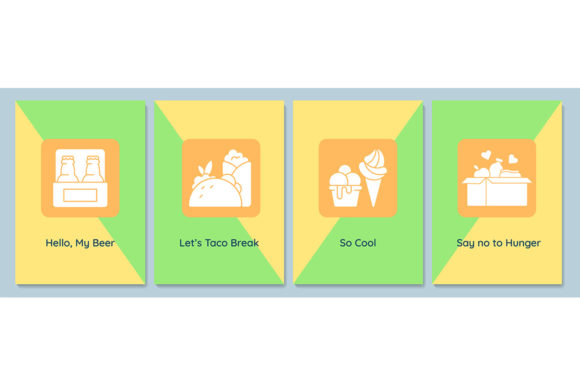
As an experienced blog designer and digital publisher, I always look for graphic design assets that elevate the visual tone of a content project while aligning with brand identity and editorial goals. The International Food Day Greeting Cards set caught my eye immediately due to its blend of celebratory text, glyph icons, and minimal illustration elements. It’s a versatile vector-based design that feels both modern and approachable — perfect for lifestyle, foodie, or travel-focused websites.
Elevating Editorial Mood with Visual Flair
This design asset brings a warm, inviting mood to any publication. Its use of decorative yet clean illustrations gives it a playful but professional edge, making it ideal for niches like food blogging, culinary education, recipe sharing, or cultural storytelling. The glyph icon element adds subtle symbolism without overwhelming the layout, which is crucial in maintaining reader focus on the message.
I found the overall aesthetic to be very lifestyle-oriented, with a touch of sophistication that doesn’t lean too heavily into either whimsy or formality. That balance makes it suitable for a wide range of content styles, from casual newsletters to more polished digital guides. The celebratory text elements are especially useful for seasonal or themed posts, such as International Food Day promotions, recipe roundups, or global cuisine spotlights.
Perfect for Content Creators Who Value Visual Consistency
One of the key strengths of this graphic design asset is how it can unify a website’s visual language. When used across featured images, newsletter headers, and social media previews, it creates a strong visual identity that reinforces brand recognition. For bloggers who want their site to feel cohesive without being overly branded, this template offers a creative middle ground.
Real-World Applications for Bloggers and Publishers
The International Food Day Greeting Cards are more than just festive graphics; they’re functional tools for content publishing. Here are some practical ways I’ve considered using them in real workflows:
- Featured Images – These greeting cards could serve as base templates for blog post thumbnails, especially when highlighting events, recipes, or food-related holidays.
- Pinterest Graphics – With their bold visuals and clear focal points, these designs are ideal for creating eye-catching pins that drive traffic back to your site.
- Newsletter Headers – The minimalist style pairs well with short headlines and call-to-action buttons, making it a great fit for email marketing campaigns around food topics.
- Lead Magnets – As part of a downloadable resource, like a printable menu or a free food journal, this template can add a sense of value and professionalism.
- Canva Templates – If you're building a library of editable Canva templates for clients or your own content team, this design offers a solid foundation for quick customization.
- Digital Guides & eBooks – Used as chapter headers or section dividers, these greeting card-style banners help break up long-form content while keeping the reader engaged.
- Social Media Previews – Whether for Instagram Stories, Facebook posts, or YouTube thumbnails, the cheerful vibe of this design helps boost click-through potential.
Supporting Content Performance Through Design
When evaluating a graphic design asset for use in a content marketing strategy, performance is key. The International Food Day Greeting Cards offer several advantages that contribute to stronger content performance:
- Strong First Impression – The colorful, inviting layout draws attention right away, encouraging users to engage with the content.
- Clear Visual Hierarchy – The placement of text and imagery supports easy scanning, helping readers quickly understand the purpose of the visual.
- Improved Click-Through Potential – Especially on Pinterest and social platforms, the vibrant colors and centered focal point make these graphics stand out in feeds.
- Consistent Branding – Using the same glyph icons and color schemes across multiple assets builds familiarity and trust with your audience.
- Better Category Recognition – When used in website banners or category thumbnails, the design clearly communicates the topic, improving navigation and user experience.
- Professional-Looking Pages – Even if you're not a seasoned designer, the clean lines and balanced composition make it easy to create polished content pages.
- Hero Images – Use it as a background for event announcements or special content sections related to food culture.
- Article Thumbnails – The simple postcard format fits perfectly as a preview image for listicles or curated food articles.
- Pinterest Pins – With vertical orientation and celebratory text, these designs are made for pinning and sharing on visual platforms.
- Editorial Accents – Insert them between paragraphs or sections in digital magazines or online journals to add interest without disrupting flow.
- Content Upgrades – Package the design as part of a lead magnet bundle for food bloggers or educators looking to enhance their visual toolkit.
- Downloadable Printables – Combine it with text overlays or infographics to create shareable, print-ready resources for your audience.
- Category Visuals – Apply the design to category landing pages or blog index sections to reinforce thematic cohesion.
- Small Mobile Thumbnails – The detailed illustrations might get lost at smaller sizes, so simplify or scale down before using them here.
- Text-Heavy Blog Images – If your main goal is to convey a lot of information, the decorative nature of this design may compete with the text.
- Low-Contrast Backgrounds – The soft tones and pastel hues can fade if placed over busy or low-contrast website backgrounds.
- Corporate or Serious Niches – While it works for lifestyle brands, this design may feel too informal for B2B sites or highly technical educational content.
- Websites Requiring Minimalism – If your brand leans toward ultra-clean aesthetics, consider using only parts of the design rather than the full template.
- Test on Desktop and Mobile Screens – Confirm that the design remains legible and impactful across all device types.
- Check Thumbnail Versions – See how the design holds up when compressed and resized for use in article previews or social feeds.
- Preview Inside Real Layouts – Place the asset in a live blog layout to see how it interacts with fonts, spacing, and other elements.
- Experiment with Headline Text – Try pairing it with different headline styles — serif, sans serif, script, display — to find the most harmonious combination.
- Review Contrast and Readability – Make sure the text stands out against the background and that key elements remain visible even when printed in black and white.
- Optimize File Sizes – Since these are vector-based, convert them appropriately for web use (e.g., SVG or high-quality PNG) and compress to maintain fast load times.
- Confirm Commercial Licensing – Always verify that the design has proper commercial use rights before deploying it on monetized sites, affiliate marketing pages, or paid digital products.
Where This Design Works Best
Here are specific places where I recommend incorporating this graphic design asset to maximize its impact:
A Note on Strategic Placement
While the International Food Day Greeting Cards are visually appealing, they should be used with care in certain contexts. For example:
Practical Tips for Using This Asset in Your Workflow
To ensure that the International Food Day Greeting Cards integrate smoothly into your content publishing system, here are some actionable steps I recommend taking:
Final Thoughts on Integrating This Into Your Content Strategy
In summary, the International Food Day Greeting Cards are a valuable addition to any content creator's graphic templates arsenal. They bring a fresh, artistic energy to food-related content while supporting editorial clarity and brand consistency. Whether you're designing a new website header, crafting a digital product, or planning a social media campaign around a food theme, this design asset can help you stand out in a crowded space.
For those who run blogs, manage newsletters, or produce digital downloads, these greeting cards are more than just pretty visuals — they're strategic tools that enhance visual communication and build a stronger connection with your audience. Just remember to adapt them thoughtfully to your brand voice and platform requirements for the best results.