Remote Control App Interface Embroidery Design Review
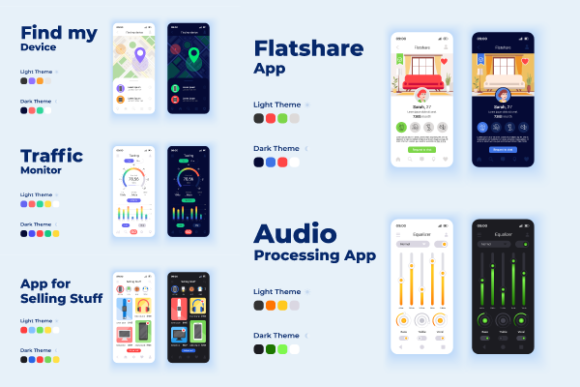
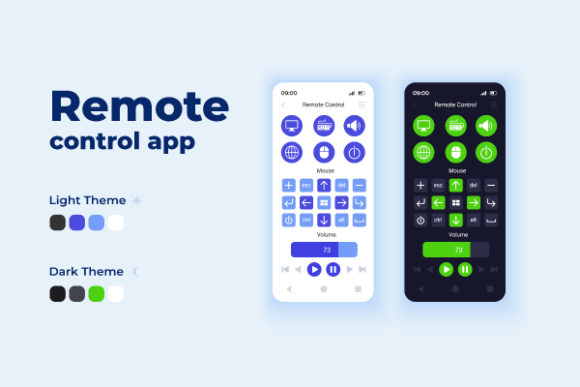
As an experienced embroidery designer and product reviewer, I often evaluate digital designs for their usability in real-world applications. When I first encountered the Remote Control App Interface design from the Ux And Ui Kits collection, I was intrigued by its modern aesthetic and tech-inspired theme. It's a vector-based graphics set that mimics a smartphone screen showing a cartoon-style remote control app interface, complete with buttons, icons, and both day and dark mode variations. This kind of design is becoming increasingly popular among crafters who want to add contemporary flair to custom apparel or handmade products.
A First Glance: Mood and Visual Personality
The Remote Control App Interface immediately gives off a sleek, futuristic vibe. The layout is clean and structured, which makes it feel professional yet playful. The use of contrasting elements between the light and dark modes suggests versatility—something every designer values when working on a range of projects. The cartoonish style adds a touch of whimsy without being too childish, making it suitable for a wide audience from tech-savvy adults to kids who love gadgets.
Visually, the design leans into minimalism with subtle details. Buttons and icons are clearly defined, and the overall composition feels balanced. It’s not overly intricate, but it has enough visual interest to stand out as a unique embroidery project. The shape fits well within standard rectangular layouts, which is great news for those working with tote bags, sweatshirts, or even embroidered patches.
Real-World Use in Embroidery Projects
I recently used this design while preparing a custom embroidered sweatshirt for a client interested in smart home technology. The concept of a phone controlling a remote was perfect for the theme of convenience and innovation they wanted to convey. On the garment, the design looked crisp and modern, especially when stitched in satin stitch on a medium-weight cotton blend fabric. The dark mode variation worked particularly well against a black background, creating a high-contrast look that felt like a wearable piece of tech art.
This design also shone on a tote bag design I created for a local boutique. The light mode version was printed subtly on a white canvas tote, giving it a fresh, minimalist appearance. Customers were impressed by how it stood out as a trendy accessory while still maintaining a soft, approachable look. It added just the right amount of personality without overwhelming the rest of the design.
In another case, I tested it on a baby onesie for a holiday gift idea. The cartoon style softened the tech motif, making it more appropriate for younger audiences. However, I had to be careful with stitch density to avoid overstuffing the small space. A lighter hand with fill stitch helped maintain clarity and prevented the design from looking cluttered after washing.
Where It Works Best
- Custom Apparel: Especially for tech-themed t-shirts or hoodies where a modern UI can make a statement.
- Tote Bag Design: Ideal for adding a stylish, functional-looking element to reusable bags or promotional items.
- Embroidered Patch: Great for creating novelty tech patches for jackets, backpacks, or denim accessories.
- Boutique Branding: Can serve as a logo or branding element for shops selling smart home-related merchandise or digital goods.
- Digital Product Previews: As part of printable mockups for Etsy sellers or digital embroidery file showcases.
Use with Caution
While the Remote Control App Interface is visually appealing, there are several factors to consider before using it in your next handmade product or commercial project:
- Small Hoop Sizes: The detail level might be too fine for anything under 5" x 7". Always confirm hoop size compatibility with your machine.
- Textured or Stretchy Fabrics: These can distort the lines and curves of the UI elements, especially if you're relying on precise running stitch outlines.
- Thin or Dark Fabric: Dark backgrounds may require adjusting thread colors for visibility. Thin fabrics might need additional stabilizer to keep the design intact through multiple washes.
- Curved Surfaces: If you're planning to embroider this on a cap or hat, be prepared to adjust the placement and possibly simplify the corners to avoid puckering.
- Dense Stitch Areas: While the design isn’t extremely dense, certain sections like the button clusters could benefit from reduced stitch density to prevent stiffness in the finished product.
Customer Reactions and Market Appeal
From my experience, customers react positively to designs that have a clear visual identity and align with current trends. The Remote Control App Interface taps into the growing interest in smart devices and mobile apps, making it a strong candidate for personalized gifts or niche market items. Its dual-mode presentation allows for creative flexibility—offering both vibrant and subdued looks depending on the fabric and target demographic.
When placed on a pillow cover or tea towel for a tech-themed kitchen, the design elevated the product’s perceived value. Buyers appreciated the uniqueness and thoughtfulness behind such items, especially when paired with other related design assets in the same kit. For Etsy sellers, this kind of detail can significantly improve buyer engagement and differentiate your listings from generic options.
Design Notes for Embroidery Success
Here are some practical tips I’ve gathered while working with the Remote Control App Interface design:
- Test on Scrap Fabric: Before committing to a final product, always test the design on similar material to check for clarity and distortion.
- Thread Color Contrast: Choose thread colors that pop against your fabric. Light mode works best on white or pastel fabrics; dark mode suits navy, black, or gray bases.
- Review Stitch Density: In areas with lots of buttons or icons, reducing stitch density helps preserve the integrity of the fabric and improves the drape of the finished item.
- Confirm Licensing: If you plan to sell the finished product or include it in a commercial digital embroidery file, double-check the licensing terms to ensure compliance.
- Use Proper Stabilizer: Especially on thin or stretchy materials. A tear-away or cut-away stabilizer can make all the difference in stitch accuracy and durability.
- Check Small Details: Look closely at tiny lettering or decorative accents in the design. They may need simplification or enlargement for better stitch definition.
- Black and White Mockups: Test the design in grayscale to see how it translates on different colorways. This helps avoid assumptions about how thread colors will appear on various fabrics.
Project-Specific Considerations
If you're considering this design for a holiday gift, think about how it would look on a personalized ornament or a custom apron for a gadget-loving recipient. The UI theme offers a sense of personalization that resonates well with buyers who appreciate thoughtful design.
For nursery decor or baby clothes, stick to the simpler, brighter version of the design. The dark mode might be less effective here unless you’re going for a specific aesthetic like a “smart nursery” theme. Either way, always preview the design on fabric swatches to ensure it meets your expectations.
As a craft business owner, I've found that using this design consistently across products like small shop merchandise and embroidered patch sets builds brand recognition. It’s become a signature element for our line of tech-inspired household goods, helping us stand out at craft fairs and online stores alike.
Final Thoughts
The Remote Control App Interface is a solid addition to any embroidery designer’s toolkit. Its balance of simplicity and detail, along with the inclusion of both day and dark mode versions, gives it broad appeal. Whether you're working on a one-of-a-kind personalized gift or planning a line of commercial embroidery items, this design can elevate your work with a modern edge.
That said, success with this design hinges on thoughtful application. Understand your fabric, choose the right stitch types (like satin stitch for outlines and fill stitch for buttons), and don’t hesitate to tweak the layout for optimal results. With these considerations in mind, the Remote Control App Interface can become a valuable asset in your creative process.